About Animals in Captivity
Every year, millions of exotic animals are captured from the wild or bred in captivity for commercial profit or human amusement, only to languish in conditions that fail to meet their instinctive behavioral and physical needs. These animals include those held in captivity in facilities such as roadside zoos, circuses, and aquariums; those kept in private possession, as “pets”; and animals used in interactive displays, such as for photo ops and rides.
“Non-human primates – monkeys, apes, and prosimians – are intelligent, emotionally complex beings who simply cannot thrive when kept as pets in people’s homes. It is high time that the cruel and unethical trade in primates as pets is brought to an end, once and for all.”
Dr. Liz Tyson, Director of Born Free USA’s Primate Sanctuary
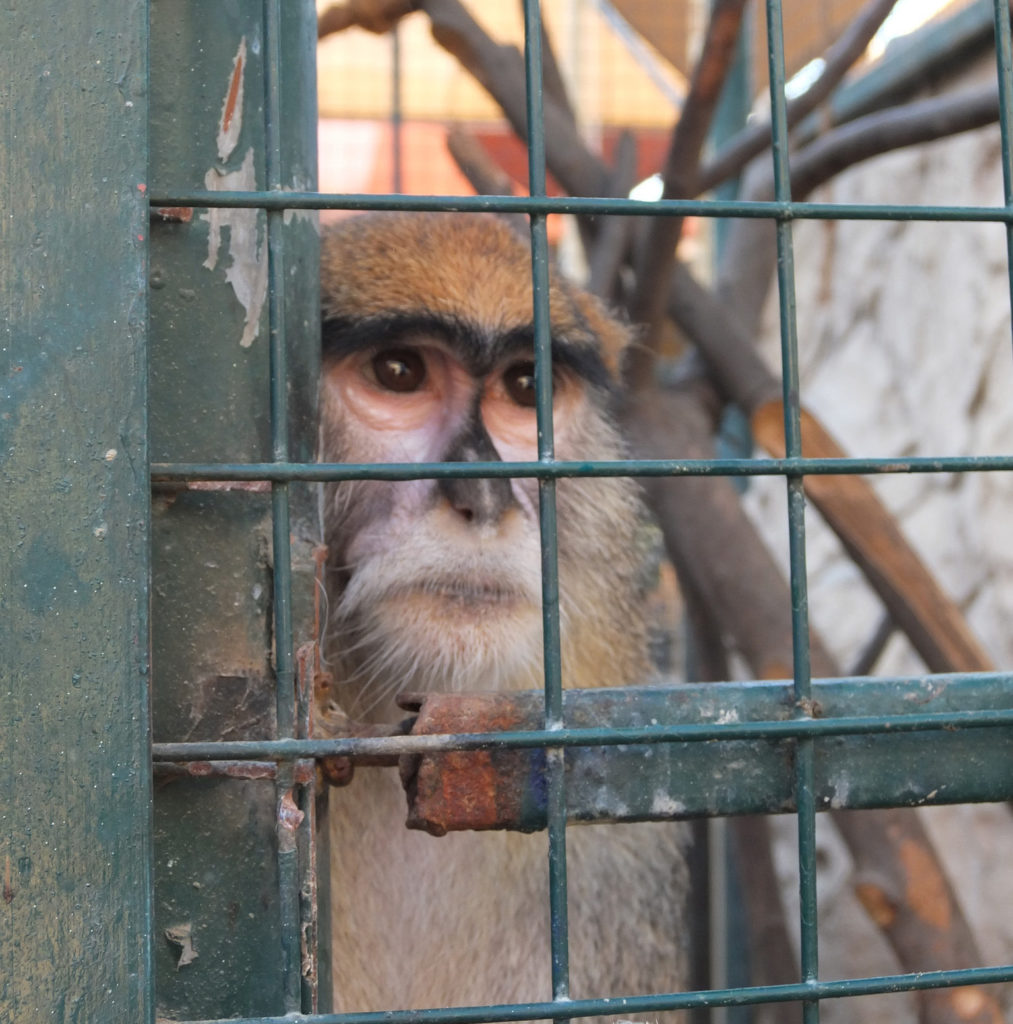
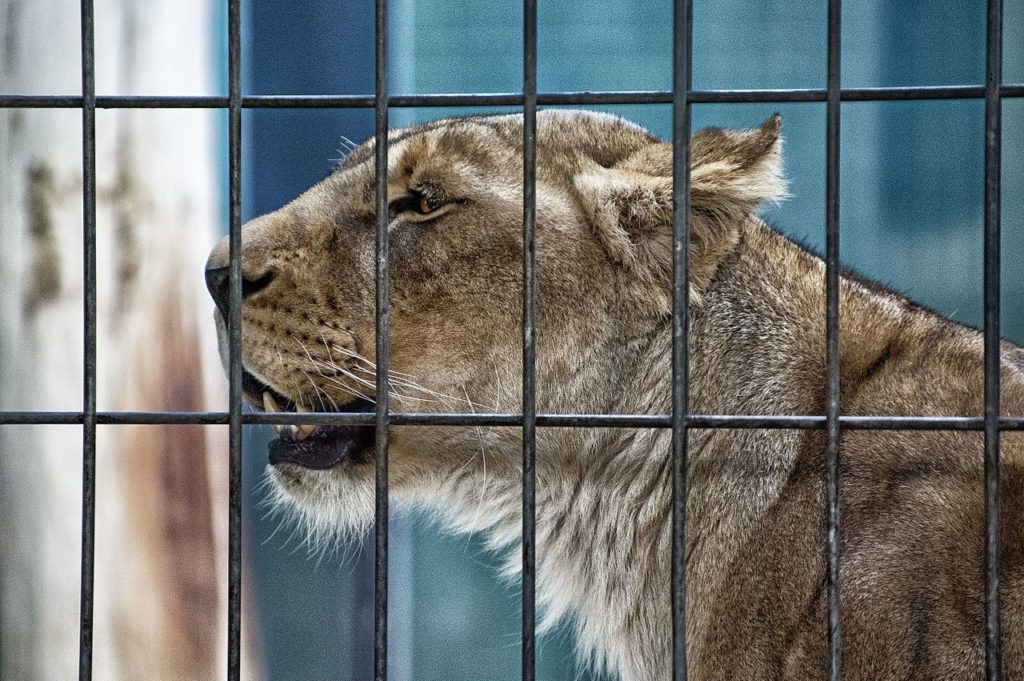
“The exploitation of wild animals for human gain – whether that be keeping them as pets, exhibiting them in zoos, forcing them to perform in circuses, or experimenting on them in labs – causes damage to those individuals that they will carry with them for the rest of their lives. Every wild animal deserves to be able to live a life in freedom, with their own kind, and on their own terms.”
Dr. Liz Tyson, Director of Born Free USA’s Primate Sanctuary
Exotic Animal Incidents Database
Wild animals belong in the wild — not in the confinement of circuses, zoos, aquariums, backyards, or homes. In captivity, wild animals are not able to perform their natural behaviors and many lash out in frustration from psychological and physical deprivation. This situation is dangerous for animals and humans alike. Search our interactive database of attacks on humans, attacks on other animals, and escapes by exotic animals in the U.S.
SEARCH