Fiona, a Nile hippopotamus kept at the Cincinnati Zoo in Ohio — initially made famous in 2017 by being the first Nile hippo born at the zoo in over 50 years and the first to be scanned in the womb using ultrasound — has died. Her premature birth at just 29 pounds and the intensive care she received that followed drew widespread attention, making her an internationally beloved animal. Tragically, Fiona’s death, confirmed as of November 19, 2026, has caused just as much — if not more — public interest.
Fiona died after ingesting a child’s knit hat, which was thrown into a ceiling fan by a young zoo visitor and ejected into her enclosure as a result. The zoo discussed Fiona undergoing surgery to remove the hat but, because hippos are notoriously difficult to sedate and often move while under the effects of anesthesia, the zoo ultimately deemed it too risky.
While much of the public blames the parents for failing to stop the hat from entering Fiona’s enclosure, it is unrealistic to expect that parents watch their children 100% of the time. Accidents happen. Especially with children. And zoos have demonstrated, time again, that their very design does not forgive visitor accidents or lapses in judgement, despite zoo census data from 2024 indicating that over one‑third of all U.S. zoo visitors are children, with some estimates suggesting that over 60 million children visit accredited U.S. zoos annually.
Accidents at Zoos Can Have Dire Consequences for Animals
Accidents happen at zoos every day, with some having more dire consequences than others. The most frequent causes of accidents that may have fatal outcomes — for the animals, the humans, or both — often occur due to visitors (intentionally or not) failing to read signs or heed instructions from zoo staff to avoid certain areas that would put them into dangerous proximity to potentially aggressive animals, enclosure breaches or damages that cause an animal to escape their habitat, open-air enclosures (which allow foreign objects to enter from visitors above, like in Fiona’s case), malfunctioning/unsafe exhibit doors/features, and any instances that allow for physical contact between human visitors and animals that could cause injuries due to bites or scratches. The one common thread between these potential accidents? Zoos are at fault for all of them.
It is the zoos’ responsibility to ensure that visitors remain safe on their premises, no matter how young, old, or noncompliant they may be. Wild animals are known to be dangerous and unpredictable, even when born and raised in captivity. The fact that dangerous incidents still occur almost every day at zoos across the country that jeopardize human and nonhuman animal lives confirms that, perhaps, no matter what safeguards are implemented, keeping wild animals in captivity is dangerous by nature and cannot ever be made entirely safe. Likely the best-known example that caused millions to question the safety of zoos was the shooting of Harambe the gorilla, which also occurred at the Cincinnati Zoo, ten years ago. Harambe was a 17‑year‑old western lowland gorilla who was shot and killed in May 2016 after a three‑year‑old boy fell into his enclosure.
Foreign Object Consumption is Not Rare at Zoos
Unfortunately, death or serious injury from foreign object consumption is not rare at zoos. Every year, there are several reports of captive animals at zoos consuming foreign objects thrown into their enclosures by zoo visitors. For example, in 2024, the Henry Doorly Zoo in Nebraska issued a warning to zoo visitors following the discovery of 70 coins in the stomach of a 36-year-old alligator named Thibodaux. A California sea lion at Moody Gardens, Texas, died in 2021 from ingesting a small plastic fish, which had been introduced to the enclosure as “enrichment.” In the same year, a young mountain lion who died at Cheyenne Mountain Zoo in Colorado was found to have an object that resembled rope or wire in their stomach.
In February 2022, Zoo Miami, Florida, revealed the variety of objects swallowed by their animals, including sunglasses, a water bottle, bottle caps, and children’s pacifiers after they had been dropped or thrown into animal enclosures. Similarly, Edinburgh Zoo in Scotland revealed a vet had carried out 22 surgeries within four years to remove foreign objects swallowed by their gentoo penguin colony, including socks, gloves, and batteries. In August 2022, Tallinn Zoo, Estonia, announced that their northern ground hornbill suffered a “painful death” after swallowing a coin, which resulted in the bird hemorrhaging from their beak.
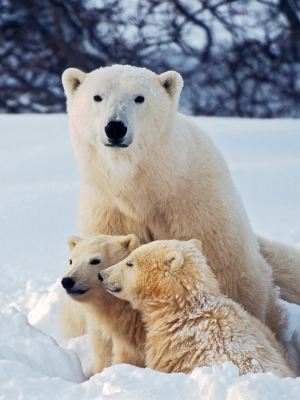
Death by foreign object consumption is particularly prevalent in polar bears in captivity, potentially due to their largely opportunistic diet in the wild. A male polar bear named Umka died at a Russian zoo in 2021 after swallowing a toy ball thrown into his enclosure by a young visitor. In 2014, Anton, a 25-year-old male polar bear, died at the Wilhelma Zoo in Germany from severe intestinal injuries after swallowing a jacket or bag dropped into his enclosure by a visitor. In 2003, 14-year-old male bear, Andy, died at Hogle Zoo in Utah after swallowing a visitor’s glove that had found its way into his enclosure. And, in 1996, at Scotland’s Edinburgh Zoo, 20-year-old polar bear Barney reportedly died in agony after swallowing a toy that had either been accidentally dropped or deliberately thrown into the enclosure by a young visitor
Captivity for Human Entertainment Harms Animals
Wild animals are naturally curious, and living for decades in small, simplistic, unnatural, and largely unchanging environments causes animals to explore and consume potentially harmful objects that they typically would not encounter or have interest in in the wild. Like hippos, many of the animals kept at zoos cannot undergo invasive surgery without extreme risks. This begs the question: why do zoos continue to keep animals captive that cannot be saved from the negative effects of reasonable, routine accidents?
Help us spare the lives of future wild animals by choosing not to support zoos, aquariums, and any other facilities that hold animals captive just because they can. The animals did not agree to this lifestyle, so why should we support it? We implore you to honor Fiona’s memory, and all other wild animals who have lost their lives unnecessarily at zoos, by choosing not to fund their continuous exploitation of wild animals.
Keep Wildlife in the Wild,
Devan
Dear Reader,
We are a nonprofit committed to wildlife conservation, welfare, and rescue. Making resources free and widely distributed, like our news items, is an important part of our mission. If you found this article helpful, enjoyable, or enlightening, please donate to help keep these resources available, and Keep Wildlife In The Wild.
Thank You,
The Born Free USA Team

 Dear Reader,